

Late last year, I spent three days tracking down a latency spike in a client's cloud communication API. After digging through the server logs, I realized the issue wasn't the connection quality or bandwidth limits. The system was simply choking on noise. Their virtual numbers were being hammered by automated spam pings, robocalls, and marketing blasts. It became nearly impossible for them to separate legitimate client calls from junk. This exact infrastructure flaw is what drove our team to rebuild the routing logic behind Second Phone Number DoCall 2nd.
For a long time, acquiring a 2nd phone number meant accepting a certain level of chaos. You gained the convenience of a separate line, but you sacrificed call quality and filtering. A modern VoIP phone system isn't just a digitized landline; it is a software-defined routing engine designed to filter, segment, and securely deliver communication across multiple platforms without leaking your data.
Why has communication noise become a critical infrastructure problem?
The sheer volume of digital interaction is straining older telecom frameworks. According to the recently published "Mobile App Trends 2026" report by Adjust, global mobile application installs grew by 10% in 2025, while total app sessions increased by 7%. Even more striking, global consumer spend on mobile platforms reached $167 billion. This data tells us, from a backend engineering perspective, that network traffic is denser and more commercialized than ever before.
When you use a basic free text app or a legacy burner, your incoming traffic is completely unfiltered. These older protocols essentially open a direct, unmanaged pipe to your device. Whether you are using a local 213 area code for your freelance business or a generic VoIP setup, if the infrastructure lacks intelligent routing, your phone will inevitably fill up with spam messages and automated calls. The problem isn't the concept of virtual numbers; it is the absence of an intelligent firewall between the telecom network and your device.

How does AI-driven segmentation solve the spam issue?
To fix this, we had to rethink how a VoIP phone service handles incoming data. The latest update to Second Phone Number DoCall 2nd introduces an AI-powered Call Segmentation architecture. Rather than relying on outdated, static blocklists that spammers easily bypass, our backend now analyzes incoming traffic patterns in real-time.
The Adjust 2026 report accurately noted that the "AI hype" is over; what matters now is how AI is integrated as core infrastructure for segmentation and operational insights. We applied this exact philosophy to telecom routing. By evaluating metadata—such as call frequency, geographic mismatch, and rapid dialing patterns—the system identifies non-human traffic before your device even rings. Legitimate clients get through instantly, while automated noise is quietly dropped or routed to a separate spam log. This means when you receive calls or messages on your dedicated line, you know there is a real person on the other end.
How does this infrastructure compare to legacy alternatives?
When users experience spam fatigue, they often start comparing platforms like TextNow, TextFree, and Google Voice. While these apps popularized the concept of digital numbers, their underlying technology was built for a different era. For instance, Google Voice relies heavily on standard algorithmic flagging, which can be slow to adapt to new spoofing tactics. Meanwhile, basic disposable tools—whether you are looking at textPlus, Talkatone, or a TextMe account—offer practically zero traffic management.
If you are trying to run a small enterprise or manage independent client work, settling for a simple TextFree solution or a temporary TextNow account creates a frustrating user experience. You might consider hardware-based solutions like an Ooma phone or a traditional enterprise VoIP phone system, but those often require hardware lock-in and rigid contracts. A true cloud-based architecture bridges this gap. We engineered Second Phone Number DoCall 2nd to provide the effective filtering of enterprise VoIP providers without the heavy hardware requirements.
What role does privacy play in modern VoIP routing?
Better routing doesn't just block spam; it protects your identity. As my colleague Can Arslan recently pointed out regarding the end of the disposable burner era, users are demanding professional-grade privacy over temporary workarounds.
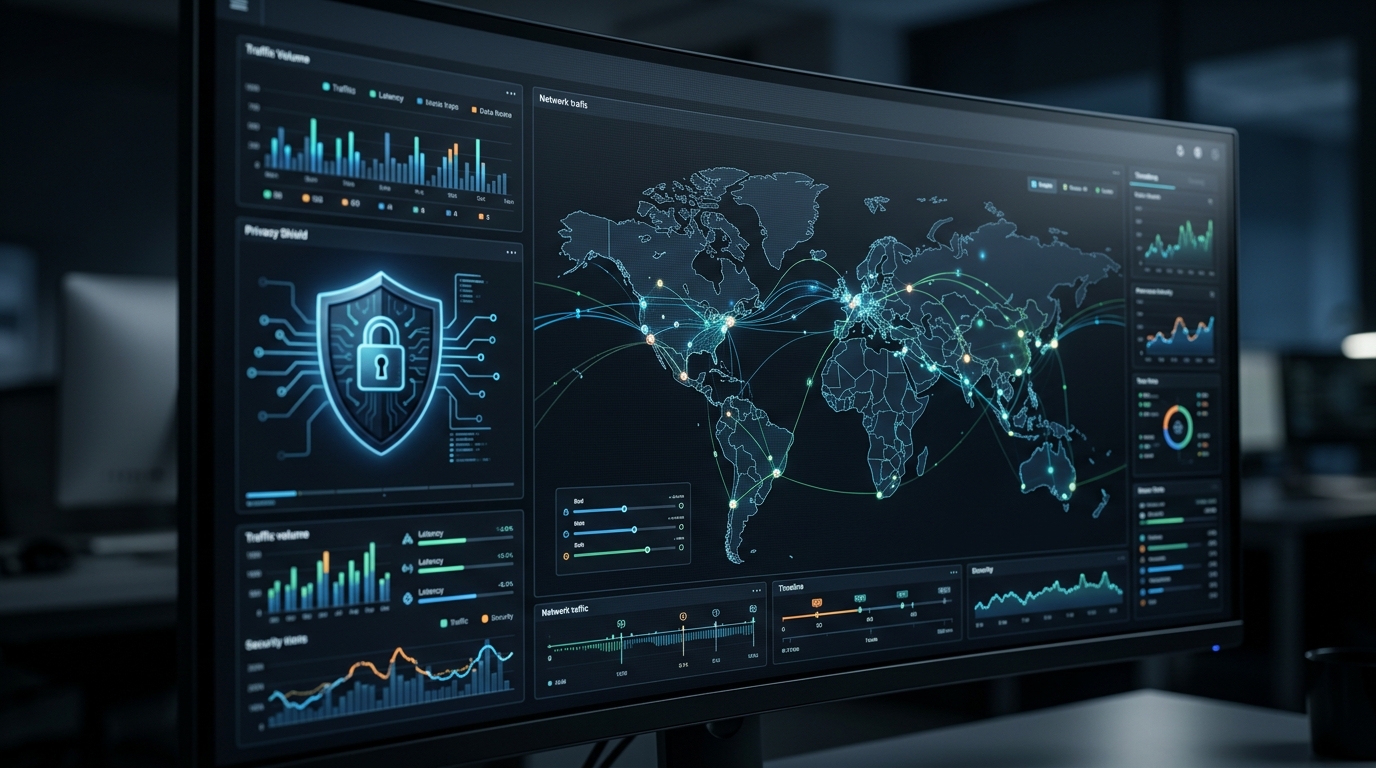
This shift is backed by hard data. The Adjust 2026 research highlights that iOS App Tracking Transparency (ATT) opt-in rates steadily climbed to 38% early this year. People are highly conscious of their digital footprint. They want tools that work independently, without scraping their primary contacts or cross-referencing their location data. By handling call segmentation at the server level, our VoIP infrastructure acts as a strict privacy shield. The caller only ever interacts with our secure nodes, never directly with your physical device's IP address. This is why users seeking high-privacy environments often transition from generic chat tools like Line or Zangi Messenger toward dedicated, isolated VoIP systems.
Who actually needs this level of smart routing?
Not everyone needs enterprise-grade packet filtering. If you simply need to verify an online account once, a standard app like Zangi or a basic virtual number might be enough. However, this intelligent routing infrastructure is specifically built for individuals who rely on their phone for income and organization.
This includes independent contractors, remote teams, and founders looking for the best VoIP for small business operations. If you frequently travel and combine your virtual number with data solutions like Airalo, having a backend that automatically drops junk calls saves you roaming bandwidth and battery life. It is decidedly NOT for someone looking for a quick, five-minute disposable number to bypass a web filter. It is designed for long-term reliability.
How do you choose the right virtual setup for your workflow?
Selecting a communication platform comes down to examining the backend capabilities rather than just the interface. When evaluating different VoIP service options, look beyond the initial setup process. Ask yourself how the system handles unwanted traffic. Does it provide isolated storage for your public messages? Does it allow for direct inward dialing without exposing your underlying cellular carrier details?
Building resilient mobile solutions requires a focus on structural integrity—a principle we prioritize across all software developed at Dynapps LTD. If you want a clean separation between your personal life and public-facing work, a reliable VoIP infrastructure that actively manages your incoming traffic is the only sustainable approach. The era of dealing with an unmanaged, noisy inbox is over; modern communication should be secure, filtered, and entirely under your control.